

Articles

Setting up of the Commission for Promoting Integral Human Development

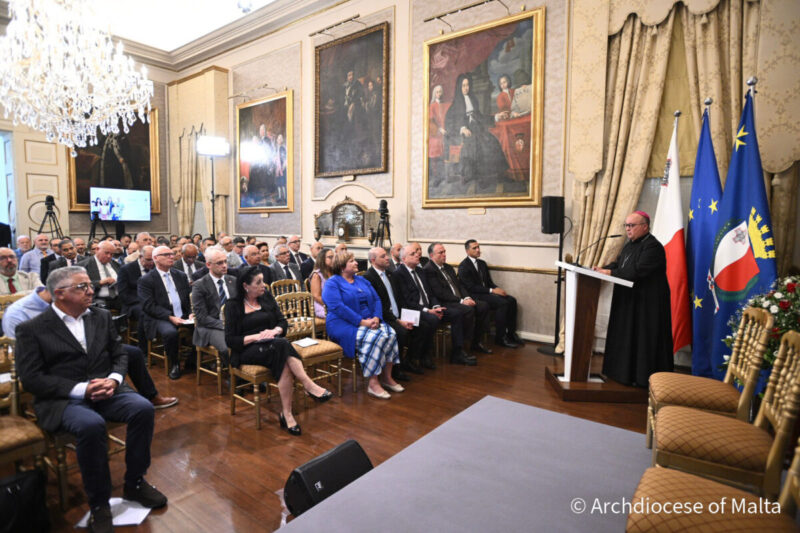
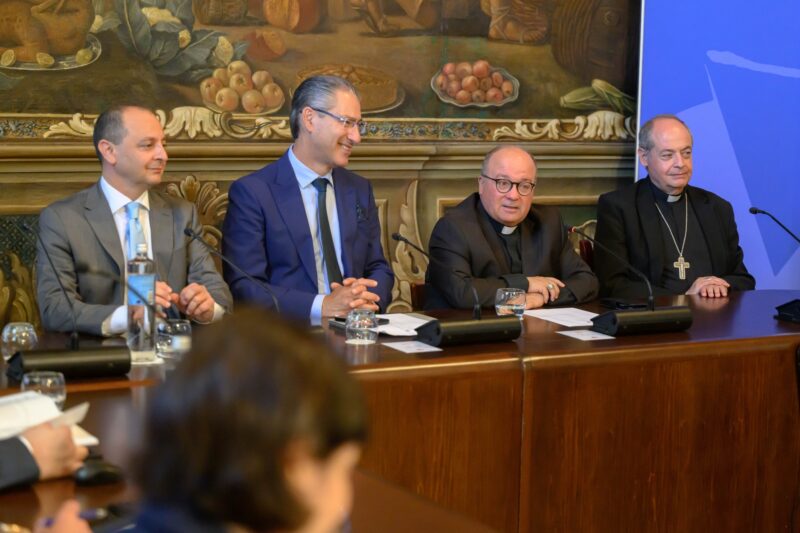
The Maltese Episcopal Conference has established the Interdiocesan Commission for Promoting Integral Human Development. This will be led by Mr Mark Cachia as Executive Chairperson. He will be supported in this role by a Council comprising members from a diverse range of professional backgrounds.
The main task of the Commission is to promote the human person and the God-given dignity of everyone in all matters relating to the economy and work, poverty and injustice, and the care of creation as our common home… Read more »

Magnifica Humanitas: 7 key questions

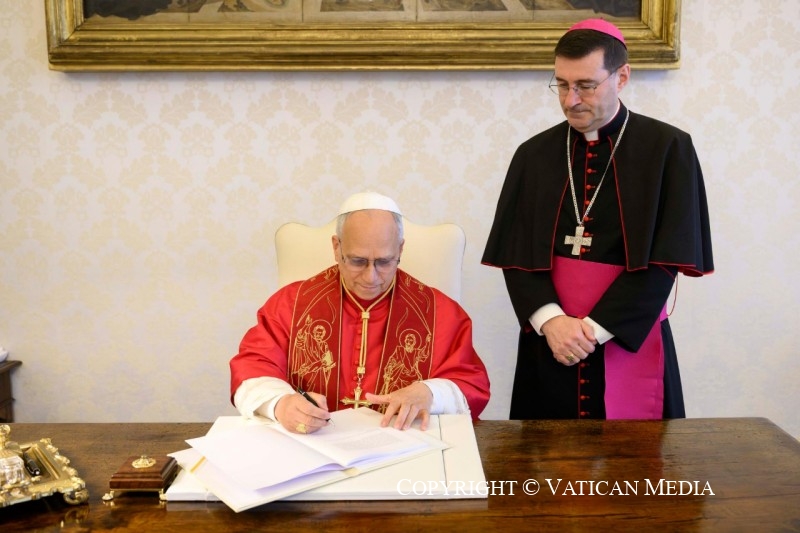
On May 15th, Pope Leo XIV issued the encyclical Magnifica Humanitas (MH), offering the guiding principles needed to confront some of the most pressing questions humanity faces in this age of artificial intelligence:

1) Where are we heading?

      Without deliberate and urgent intervention, Leo XIV warns us that we risk what he calls the “Babel syndrome” — a world enslaved to profit, where human difference is flattened into data and a single digital logic claims to explain everything, even the mystery of the human person… Read more »

      Integral Human Development – Origins & Meaning

      In Catholic Social Teaching, the concept of Integral Human Development (IHD) was first introduced in the 1967 encyclical Populorum Progressio[1]. Pope Paul VI insisted that development cannot be limited to mere economic growth. In order to be authentic, it must be complete, integral. In other words, it has to promote the good of every person and of the whole person[2]Read more »

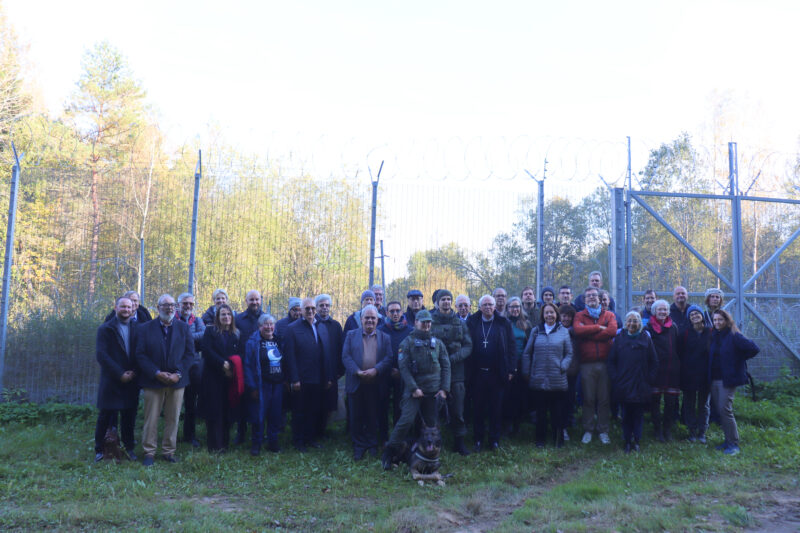
      Forty representatives of Justice & Peace Europe gathered in Vilnius

      The Conference of European Justice and Peace Commissions (Justice and Peace
      Europe) concluded its annual International Workshop and General Assembly that took
      place from 3 to 6 October 2025 in Vilnius, Lithuania. The gathering was centred around
      the theme “Hope for Peace in Europe”.

      The programme included meetings with members of the Lithuanian Church, civil society and
      youth, as well as political representatives and security experts… Read more »

      Archbishop urges MCESD social partners to take action on affordable housing crisis

      F’laqgħa tal‑Kunsill Malti għall‑Iżvilupp Ekonomiku u Soċjali (MCESD), l‑Arċisqof ta’ Malta Charles Scicluna, l‑Isqof Awżiljarju Joseph Galea‑Curmi flimkien mas‑Segretarju Parlamentari għad‑Djalogu Soċjali Andy Ellul u l‑Imsieħba Soċjali ddiskutew id‑dritt tal‑ħaddiema fis‑soċjetà Maltija.

      Waqt il‑laqgħa, il‑Kummissjoni Ġustizzja u Paċi tal‑Arċidjoċesi ta’ Malta ddiskutiet ir‑rapport tagħha “Beyond GDP II ‑ Third Country Nationals in Malta: Sharing in our economic future or serving labour market interests?” li ħareġ f’Diċembru li għadda… Read more »

      The Conclave: Called to Christ, Not to Faction

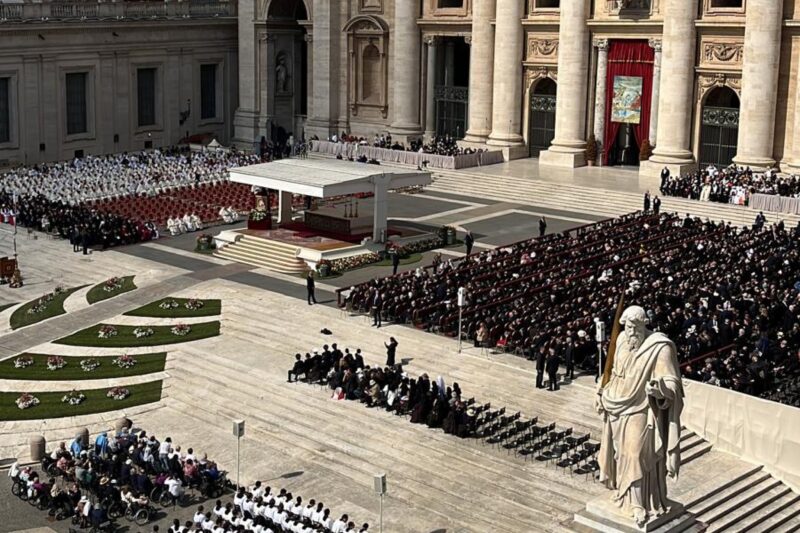
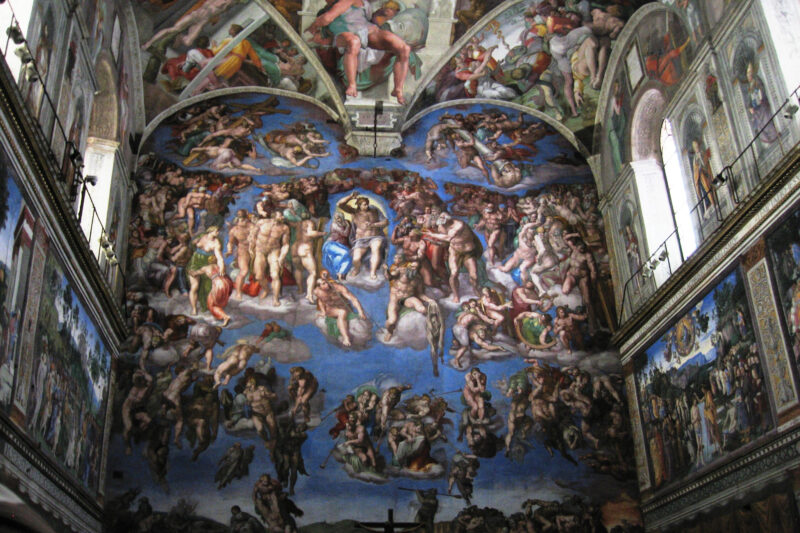
      As the College of Cardinals convenes in the Sistine Chapel to elect the 267th Pope, the global Catholic community stands at a crossroads. This conclave, the most geographically diverse in history with 133 electors from around 70 countries, embodies the Church’s universal nature and its commitment to addressing the world’s pressing challenges.

      Pope Francis reoriented the Church toward the margins. His papacy was marked by a fervent advocacy for the marginalised, environmental stewardship and a call for inclusivity within the Church… Read more »

      Structures of Sin

      The term “structures of sin” refers to systems within society that enable and perpetuate injustice. These include economic models and labour practices that disproportionately benefit the powerful while placing undue burdens on the vulnerable, such as migrant workers. The current global economy, critics argue, prioritises profit over people, fostering a culture of materialism and disposability. Addressing these issues requires more than policy change; it calls for a shift in both individual conscience and collective values… Read more »

      Anchored in a Drifting World

      We are living in a time of rapid change and constant distraction. The pace of modern life is fast, and the noise—both digital and social—is unrelenting. In this environment, spiritual questions and deeper reflections often get pushed aside. Instead, there is a cultural emphasis on immediacy; we want instant feedback, immediate gratification, rapid growth. 

      This has a particular effect on young people. Many are trying to understand who they are and how they fit into the world, but they are doing so without clear guidance… Read more »

      Hope in a World of Superficial Influences

      The Netflix limited series ‘Adolescence’ offers a poignant exploration of modern youth culture, centring on 13-year-old Jamie Miller, who is arrested for the murder of his classmate, Katie Leonard. The series delves into themes of online radicalisation, social media bullying and the toxic impact of digital communities on vulnerable minds. Jamie’s journey is a stark reminder of how easily young people can be influenced by the wrong sources, as they seek meaning and identity in places that offer little hope or guidance… Read more »